

When we think of India’s cultural heritage, our minds often wander to magnificent forts, ancient temples, historic monuments and centuries old traditions. While these are undoubtedly symbols of our rich past, some of India’s most valuable heritage cannot be found within the walls of a museum or preserved in stone. It lives in the hands of artisans.
Across the country, generations of weavers, embroiderers, potters, metalworks, woodcarvers, and textile artists continue to practice crafts that have been passed down over centuries. These traditions are living repositories of history, identity and indigenous knowledge. Every handmade creation reflects the culture of the community it comes from, carrying stories, skills and values from one generation to the next.
As India continues to modernise, preserving these traditions has become more important than ever. Doing so is not only about protecting beautiful crafts but also about safeguarding communities, knowledge systems, and livelihoods that keep them alive.
HANDMADE CRAFTS: KEEPERS OF INDIA’S LIVING HERITAGE
India boasts a vast array of traditional crafts, each influenced by the distinct landscapes, cultures, and histories of its regions. Whether it is weaving, embroidery, pottery, bamboo work, wood carving, or metal artistry, these practices reflect the unique skills and traditions of the communities that create them.
Unlike tangible heritage such as monuments or historical artefacts, handmade crafts are part of what UNESCO refers to as intangible cultural heritage - the knowledge, skills, and traditions that communities inherit and continue to practise. These traditions are not preserved by storing them away; they survive only when they are actively passed from one generation to another.
For centuries, artisans have learned their craft not through formal education but through observation, practice, and lived experience. Skills are often passed down within families, where children grow up watching parents and grandparents work with remarkable patience and precision.
CHALLENGES FACING TRADITIONAL CRAFTS TODAY
Despite their cultural significance, many traditional crafts face an uncertain future.
Rapid industrialisation and the rise of machine made products have transformed consumer markets. Mass produced goods are often cheaper and more widely available, making it increasingly difficult for handmade products. At the same time, many artisans face limited access, inconsistent homes, and a lack of opportunities to expand their reach.
These economic realities have also influenced younger generations. Many choose to migrate to cities in search of more stable employment, leaving behind family traditions that have sustained communities for decades. As fewer people continue practising these crafts, valuable knowledge risks disappearing with them.
This loss goes far beyond individual techniques. When a traditional craft declines, communities risk losing stories, cultural practices, local identities, and generations of indigenous knowledge that cannot simply be documented in books or archives.
Preserving India’s cultural heritage, therefore, requires more than appreciating handmade products. It requires creating conditions where artisans can continue practising their craft with dignity and confidence.
WHY PRESERVING HANDMADE CRAFTS MATTER
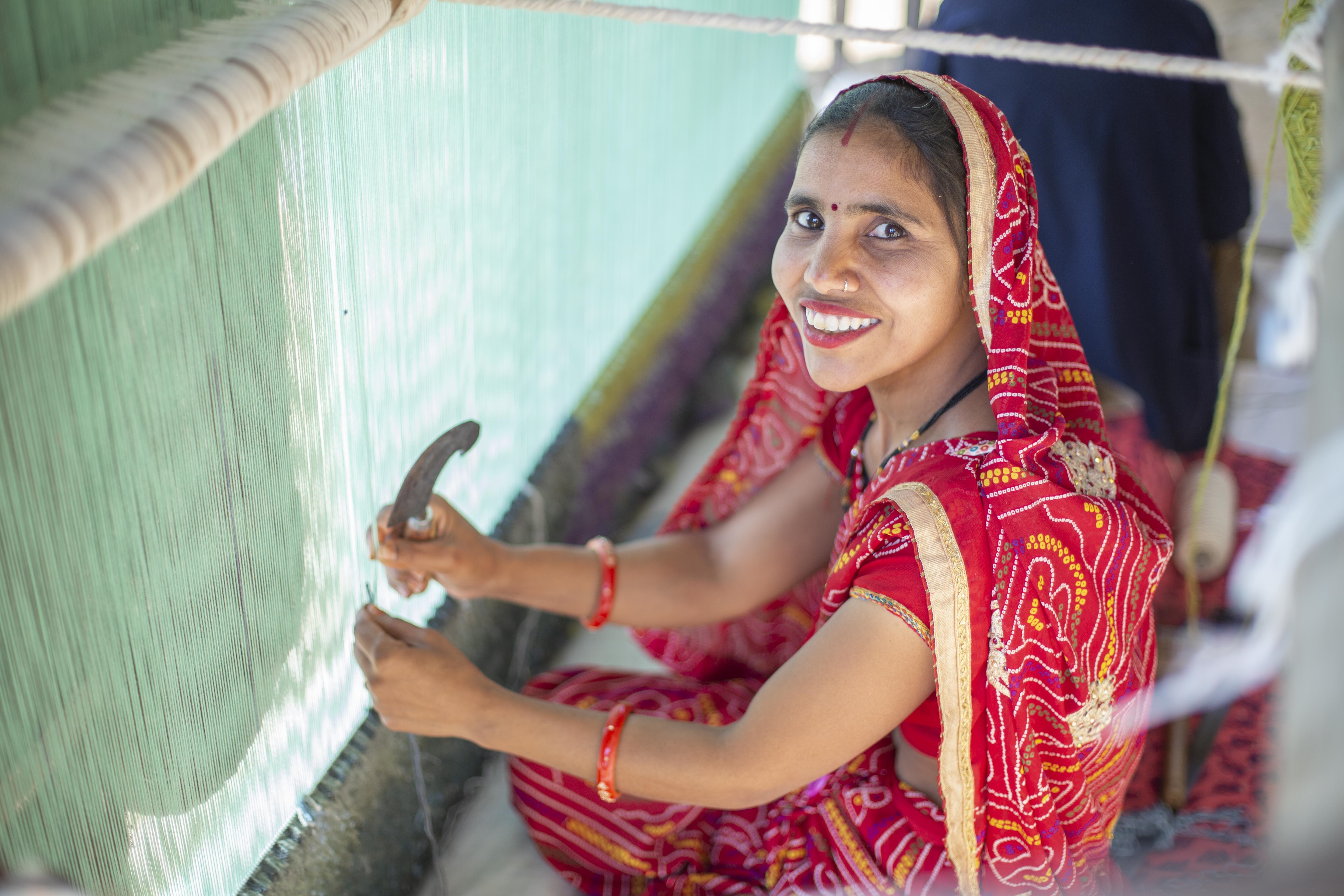
Protecting handmade crafts has far-reaching social, cultural and environmental significance.
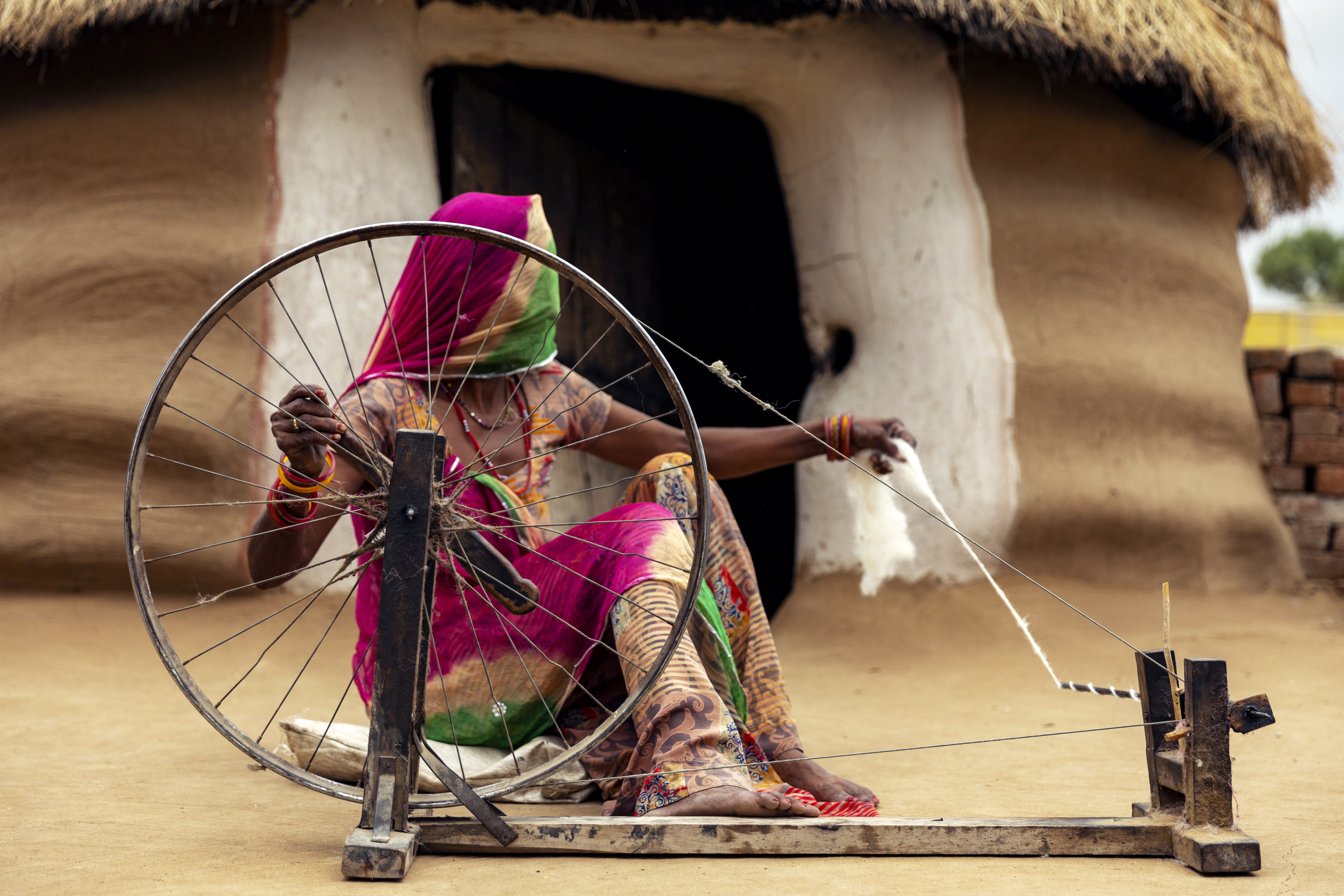
PRESERVING CULTURAL IDENTITY
Every traditional craft reflects the history and identity of the community from which it originates. The colours, motifs, materials and techniques often draw inspiration from local landscapes, customs, festivals and everyday life. By preserving these traditions, we preserve the diversity that defines India’s cultural landscape.
STRENGTHENING RURAL LIVELIHOODS
India’s handicraft sector provides livelihoods to millions of artisans, many of whom live in rural areas, where alternative employment opportunities may be limited. Supporting handmade crafts helps create sustainable sources of income while allowing communities to practise their traditional skills.
EMPOWERING WOMEN
Across many artisan communities, women play a central role in preserving traditional craftsmanship. For many, their craft is not just limited to income; it provides them a sense of autonomy, financial independence, confidence and greater participation in household and community decision making. Strengthening women’s livelihoods not only contributes to economic development but also leads to social empowerment.
PROMOTING SUSTAINABILITY
Long before sustainability became a global priority, traditional artisans practised it as a way of life. Handmade crafts often rely on natural materials, minimise waste, and prioritise quality over quantity. They demonstrate that craftsmanship and environmental responsibility can go hand in hand.
PRESERVING HERITAGE THROUGH PEOPLE
It is easy to think of heritage as something we protect through conservation projects or museum collections. However, living traditions require a different approach.
A craft survives only when the people practising it are able to continue doing so. This means recognising artisans not simply as producers but as custodians of cultural heritage whose knowledge deserves both respect and opportunity.
At Jaipur Rugs Foundation, this belief forms the foundation of its work.
The Foundation partners with rural artisan communities to strengthen livelihoods while preserving India's rich weaving traditions. Its approach goes beyond skill development by addressing the broader needs of artisan families through programmes focused on education, healthcare, financial inclusion, social security, and women's empowerment.
By investing in people rather than products alone, Jaipur Rugs Foundation helps ensure that traditional craftsmanship remains both culturally relevant and economically viable. When artisans have access to dignified livelihoods and opportunities to grow, they are better equipped to pass their knowledge to future generations, allowing heritage to remain a living practice rather than a fading memory.
This people-first approach reflects an important truth: preserving culture begins with empowering the communities that carry it forward.
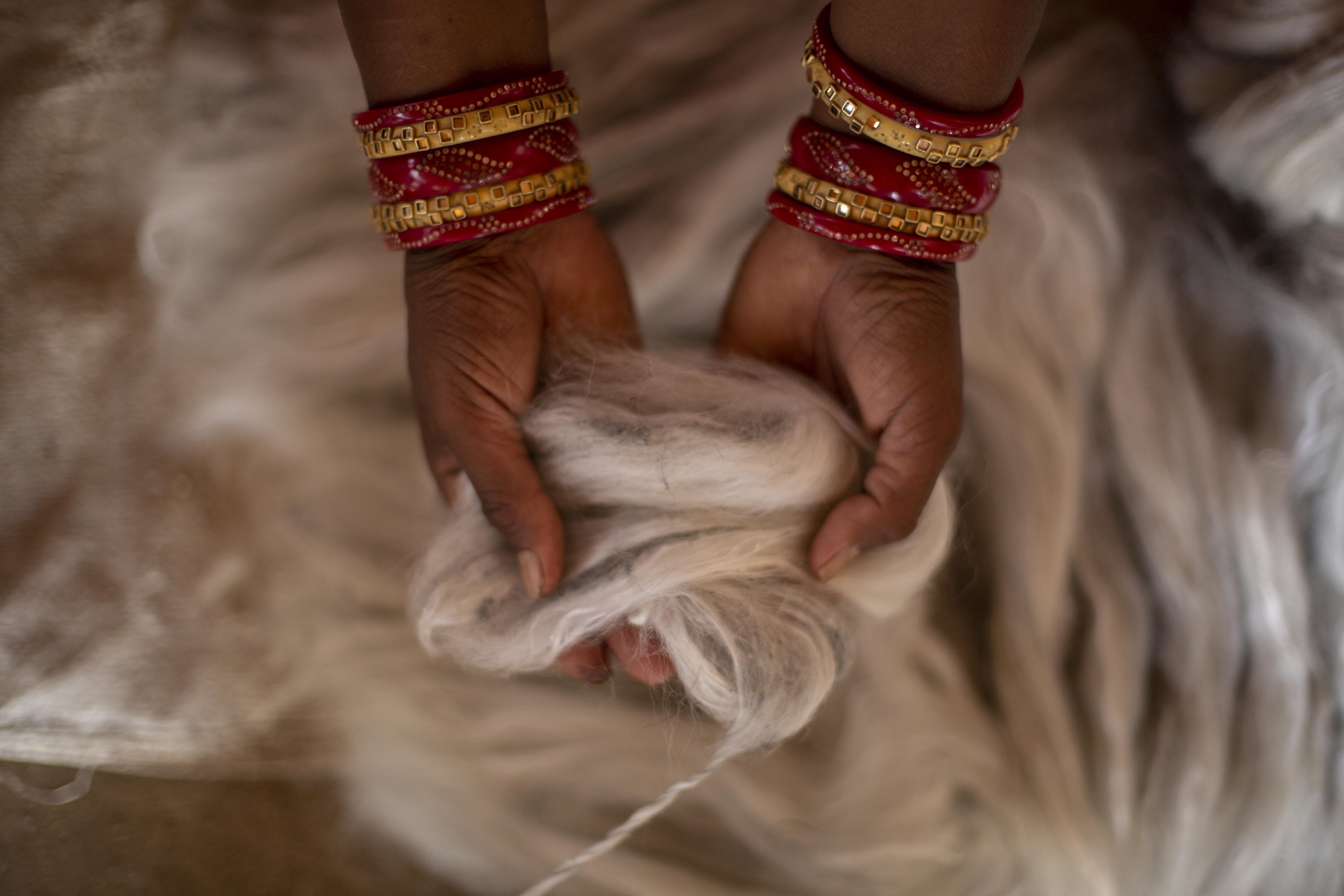
WHAT CAN WE DO?
Protecting India’s cultural heritage is a shared responsibility.
As consumers, we can make conscious choices by supporting authentic handmade products, learning about the artisans behind them, and recognising the value of craftsmanship that cannot be replicated by machines.
Businesses can create fair and sustainable market opportunities, while organisations, governments, and civil society can invest in initiatives that strengthen artisan communities and preserve traditional knowledge.
Every purchase, every story shared, and every effort to celebrate handmade contributes to keeping these traditions alive.
LOOKING AHEAD
India's handmade crafts are more than objects of beauty, they are living expressions of our history, identity, and collective memory. Preserving them means preserving the knowledge, traditions, and communities that have kept them alive for generations.
As markets evolve and consumer preferences change, the future of these crafts will depend on creating opportunities for artisans to thrive. By supporting sustainable livelihoods, encouraging innovation, and recognising the value of handmade, we can ensure that these traditions continue to evolve without losing their roots.
Because when we preserve our artisans, we preserve our heritage.

Sonakshi Adhikary
Sonakshi Adhikary is a content writer with a keen interest in storytelling and clear expression. Passionate about literature and writing, she writes about a range of subjects. Through her work, she aims to create writing that is clear, thoughtful and meaningful.


